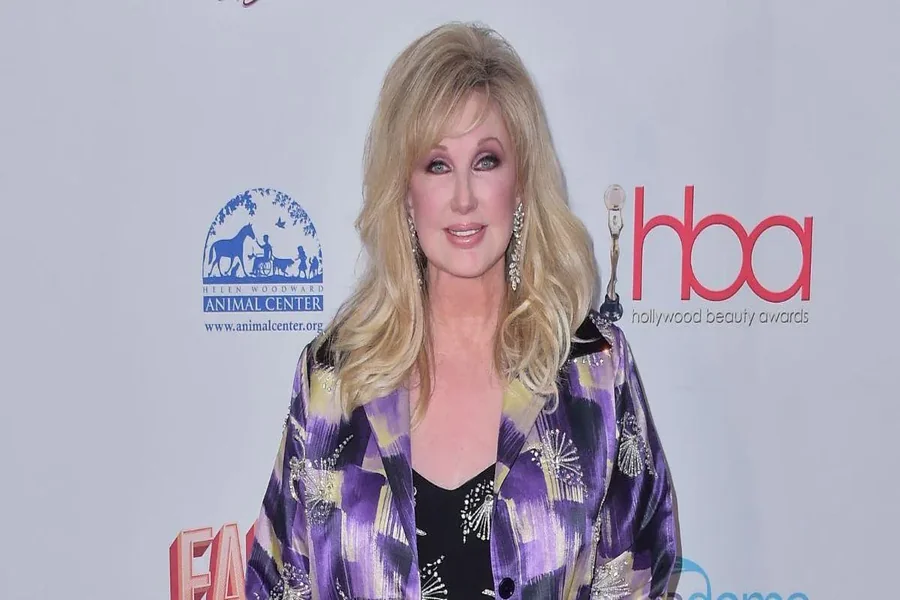
Few names in American television evoke as much elegance, confidence, and enduring star power as Morgan Fairchild. For more than five decades, she has remained a glowing presence in Hollywood — not only for her unforgettable roles in primetime dramas but also for her intelligence, activism, and genuine dedication to social causes. With her signature blonde hair, poised demeanor, and commanding presence on screen, she became one of the defining faces of 1980s television. Yet the Morgan Fairchild story goes far beyond her glamorous image.
Her journey from a shy Texas girl to an internationally recognized actress is filled with passion, perseverance, reinvention, and unmistakable star quality.
This expanded article explores her early life, entry into show business, rise to fame, landmark roles, activism, personal life, cultural impact, and the legacy she continues to build even today.
Early Life: From Dallas Shyness to a Dream of Stardom
Morgan Fairchild was born Patsy Ann McClenny on February 3, 1950, in Dallas, Texas. Her childhood was not the typical beginning of a future Hollywood star. She was shy, quiet, and often struggled with social interactions. Her mother, who worked as a high school English teacher, observed this and enrolled her in acting classes to help her overcome the shyness.
What began as a tool to build confidence quickly grew into a powerful passion. Young Patsy discovered she loved performing — the energy of the stage, the thrill of embodying a new character, and the applause that affirmed her talent.
By the age of 10, she was working in local theater productions. She performed in children’s theater, community plays, and later in professional productions around Dallas. These early experiences formed the foundation of her discipline and creativity, teaching her everything from stage etiquette to the nuances of delivering lines with emotional depth.
In her late teens, she worked in small regional roles and even did body-double work for films shot in Texas. It was behind-the-scenes, unglamorous, and often unnoticed by the public — but it was priceless training.
Around this time, she chose the stage name Morgan Fairchild, which sounded sophisticated, unique, and memorable. It was the name that would later become synonymous with American television glamor.
The Leap: Moving to New York and Breaking Into Television
Determined to take her career further, Fairchild moved to New York City in the early 1970s. Like many aspiring performers, she began with auditions, minor gigs, and tough competition. But her professionalism and striking presence quickly set her apart.
Her first big break came faster than she expected — within weeks of arriving in the city.
She landed the role of Jennifer Pace on the long-running daytime soap opera Search for Tomorrow. For an actress new to the city, this was an enormous achievement. Her role lasted several years and brought national attention to her talent. Soap operas at the time reached millions of households daily, and the exposure helped her build a devoted following.
This success gave Fairchild the momentum to move fully into television. She began receiving offers, guest roles, and auditions for primetime dramas.
When she later appeared in the hit show Dallas as the first performer to portray Jenna Wade, it further pushed her into the spotlight. Even though the role was short-lived, it helped producers and casting directors see her potential in high-profile roles.
She was making her mark — and the next decade would transform her into a household name.
The 1980s: The Era of Stardom and Glamour
The 1980s were Morgan Fairchild’s golden years, though her career before and after this decade was also filled with major achievements. But this era is where she became an icon.
Flamingo Road — The Role That Changed Everything
In 1980, she secured the role of Constance Weldon Carlyle in the primetime drama Flamingo Road. This character was everything audiences loved about Fairchild: confident, elegant, manipulative, ambitious, and mesmerizing.
Her performance was so powerful that she earned a Golden Globe nomination, solidifying her status as one of television’s brightest stars.
Constance was a woman who used beauty, power, and intelligence to get what she wanted — a type of character not often portrayed with such nuance at the time. Fairchild brought sophistication to the role, proving she was more than just another beautiful face on TV; she was an actress capable of carrying complex storylines.
She quickly became one of the defining symbols of 1980s television glamour.
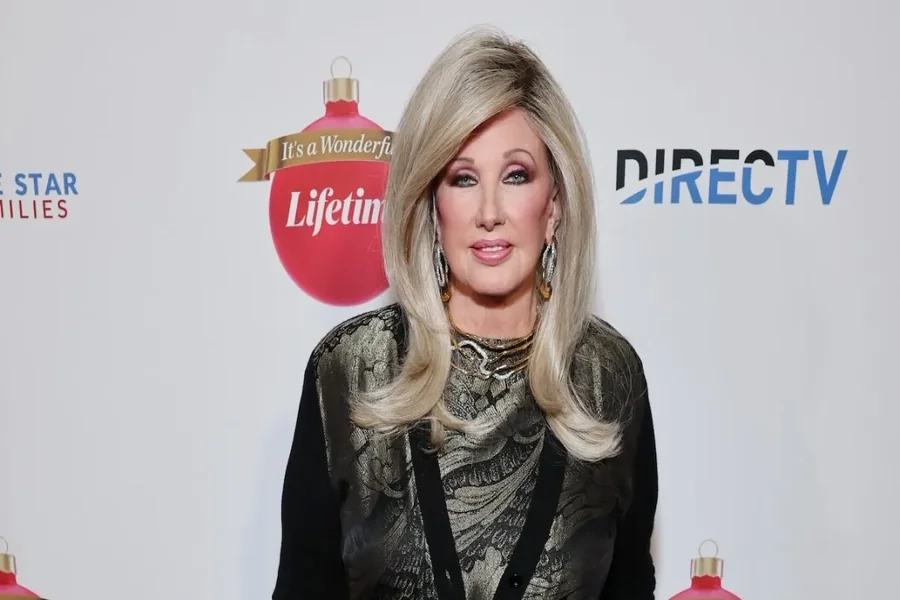
Other Iconic Roles in the 80s and 90s
Building on the success of Flamingo Road, Fairchild became one of the most in-demand television actresses. She appeared in several major shows and continued to reinvent herself.
Falcon Crest
In Falcon Crest, she portrayed Jordan Roberts, a strong, intelligent attorney whose storyline brought new layers of intrigue to the show. Her character was confident but vulnerable, and Fairchild handled both aspects effortlessly.
Paper Dolls
She starred in Paper Dolls, a series that dove into the world of fashion and modeling. Her portrayal of Racine, an ambitious and sharp-tongued agent, became a fan favorite.
Television Movies and Guest Appearances
Fairchild also began taking roles in TV movies that allowed her to stretch her talent beyond glamorous characters. She played everything from romantic leads to complex, troubled women in thrillers and dramatic films.
In addition, she made memorable guest appearances on popular shows such as:
-
Murphy Brown
-
Friends (as Chandler’s mother, Nora Bing)
-
Roseanne
-
Lois & Clark
-
Diagnosis: Murder
-
Revenge
-
Bones
These guest roles helped introduce her to new generations of viewers, especially her comedic appearance on Friends, which remains one of her most beloved performances.
Read More: Mariah Carey Nude A Timeless Icon Beyond the Headlines
Film Roles and Comedy Work
Although television remained her main domain, Fairchild also took on film roles. She appeared in comedies, thrillers, and independent movies, sometimes challenging her elegant screen image with gritty or humorous performances.
One of her most notable film moments was her comedic cameo in Pee-wee’s Big Adventure, proving she could excel in fun, lighthearted roles.
Her comedy work surprised many critics who previously saw her only as a glamorous dramatic actress. Fairchild’s ability to laugh at herself and embrace humor added a new dimension to her public image.
Stage Work and Theatre Excellence
Beyond film and television, Morgan Fairchild also thrived on stage. Theatre was her first love, and she never abandoned it.
She performed in numerous productions, including:
-
Geniuses — an off-Broadway success and one of her most acclaimed stage roles
-
Gentlemen Prefer Blondes
-
Goodbye Charlie
Her stage performances highlighted her versatility and reminded audiences that she was not just a TV personality — she was a trained actress capable of captivating live theater audiences.
Activism and Advocacy: A Voice for Social Change
One of the lesser-known but deeply important aspects of Morgan Fairchild’s career is her activism.
AIDS Awareness and Advocacy
During the 1980s and 1990s, when HIV/AIDS was a crisis and stigma was high, Fairchild was among the first celebrities to speak openly and compassionately about the issue.
She participated in educational campaigns, charity events, and fundraising initiatives. She worked with several organizations to spread awareness, promote safe sex, and fight discrimination against people living with HIV.
Her activism was courageous at a time when many public figures were afraid to address the subject.
Environmental Activism
Fairchild has long been passionate about environmental issues. She supported initiatives for ecological awareness, sustainable practices, and conservation. She participated in committees, public education campaigns, and Hollywood organizations focused on climate and ecosystem concerns.
Women’s Rights and Political Engagement
She has also been involved in political activism, especially on issues affecting women, healthcare, and equal rights.
Her contributions include fundraising events, educational outreach, and public speaking engagements supporting progressive causes.
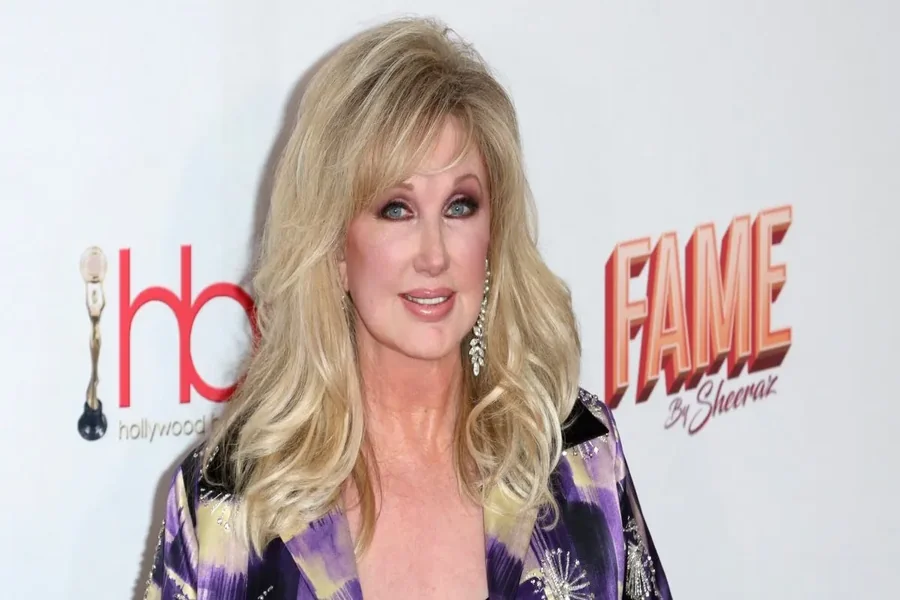
Personal Life: Relationships, Privacy, and Strength
Morgan Fairchild has always been open yet private. She married Jack Calmes in 1967, but the marriage ended in 1973.
For over 35 years, she was in a long-term relationship with Mark Seiler, a film executive. Their partnership was considered one of Hollywood’s most enduring until his passing.
Despite her fame, Fairchild remained grounded, independent, and dedicated to her craft. She balanced public attention with a personal life built on loyalty, commitment, and strong values.
Cultural Impact: A Symbol of Glamour and Empowerment
Morgan Fairchild’s influence extends far beyond her roles.
An Icon of the 1980s
Her look — the glamorous hair, confident poise, and elegant fashion — defined an entire television era. Young actresses, fashion trends, and even advertising drew inspiration from her.
A Portrayal of Strong Women
Fairchild’s characters were often intelligent, assertive, ambitious, and unapologetically strong. At a time when many female characters were written as passive, her roles challenged stereotypes and showcased women with power and agency.
A Beloved Pop Culture Presence
Her comedic appearances on modern shows introduced her to younger audiences, keeping her relevant across generations.
Continuing Career and Present-Day Influence
Even after decades in the business, Morgan Fairchild continues to act, advocate, and engage with fans. She appears in films, television, interviews, and events, showing that true star quality never fades.
She has adapted gracefully to changing industry trends, proving her versatility and passion for performance.
Conclusion: A Legendary Star With Timeless Appeal
Morgan Fairchild’s journey is a story of talent, resilience, evolution, and influence. From the theaters of Dallas to the biggest stages in Hollywood, she built a career defined by excellence and distinction.
She is more than an actress — she is a symbol of classic Hollywood glamour, a dedicated activist, a versatile performer, and a cultural icon whose legacy continues to inspire.
Her contributions to television, advocacy, and entertainment have made her an unforgettable figure in American pop culture, and her story remains a testament to what passion, courage, and perseverance can achieve.