Introduction
In today’s hyper-connected world, digital networks form the backbone of modern communication, business, and technology. From social media platforms to cloud computing, digital networks enable seamless data exchange, fostering innovation and efficiency.
This comprehensive guide explores what a digital network is, its types, benefits, challenges, and future trends. Whether you’re a tech enthusiast, business owner, or IT professional, understanding digital networks is crucial in leveraging their full potential.
What is a Digital Network? (H2)
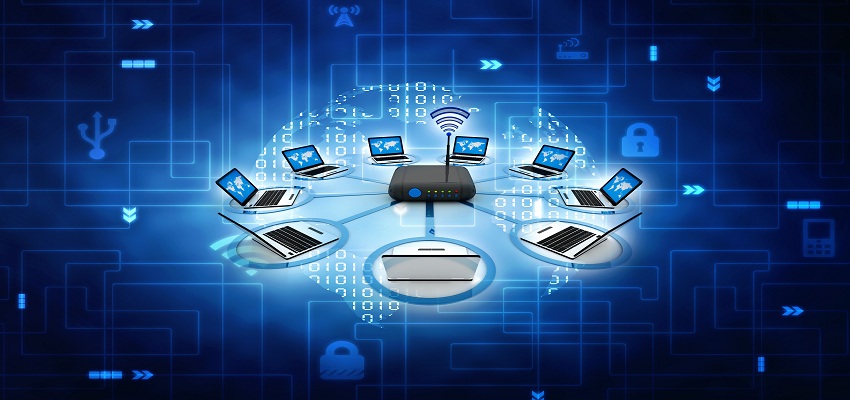
A digital network is a system of interconnected devices that communicate and share data using digital signals. Unlike analog networks, which transmit continuous signals, digital networks break information into binary code (0s and 1s), ensuring faster, more reliable, and secure communication.
Key Components of a Digital Network (H3)
- Nodes – Devices like computers, smartphones, and servers.
- Links – Wired (fiber optics, Ethernet) or wireless (Wi-Fi, 5G) connections.
- Protocols – Rules governing data transmission (e.g., TCP/IP, HTTP).
- Switches & Routers – Direct data traffic efficiently.
Types of Digital Networks (H2)
Digital networks vary in size, function, and technology. Below are the most common types:
1. Local Area Network (LAN) (H3)
- Connects devices within a limited area (e.g., office, home).
- High-speed data transfer (Ethernet, Wi-Fi).
2. Wide Area Network (WAN) (H3)
- Spans large geographical areas (e.g., the internet).
- Uses satellites, leased lines, or fiber optics.
3. Metropolitan Area Network (MAN) (H3)
- Covers a city or campus (e.g., university networks).
4. Virtual Private Network (VPN) (H3)
- Securely connects remote users to a private network.
5. Cloud Networks (H3)
- Hosted on cloud platforms (AWS, Azure) for scalable solutions.
Benefits of Digital Networks (H2)
The rise of digital networks has transformed industries by offering:
1. Enhanced Communication (H3)
- Instant messaging, video calls, and emails streamline collaboration.
2. Improved Efficiency (H3)
- Automation and IoT devices optimize workflows.
3. Scalability (H3)
- Businesses can expand infrastructure without major overhauls.
4. Security (H3)
- Encryption and firewalls protect sensitive data.
5. Cost Savings (H3)
- Reduces the need for physical hardware and maintenance.
Challenges in Digital Networks (H2)
Despite their advantages, digital networks face several challenges:
1. Cybersecurity Threats (H3)
- Hackers exploit vulnerabilities (ransomware, phishing).
2. Network Congestion (H3)
- High traffic slows performance.
3. High Implementation Costs (H3)
- Advanced infrastructure requires investment.
4. Compatibility Issues (H3)
- Different protocols may cause integration problems.
Future Trends in Digital Networks (H2)
The evolution of digital networks continues with emerging technologies:
1. 5G & Beyond (H3)
- Ultra-fast speeds and low latency.
2. AI & Machine Learning (H3)
- Predictive maintenance and smarter traffic routing.
3. Edge Computing (H3)
- Processes data closer to the source for faster response.
4. Blockchain Integration (H3)
- Enhances security and transparency.
FAQs About Digital Networks (H2)
1. What is the difference between analog and digital networks?
- Analog uses continuous signals; digital uses binary code for better accuracy.
2. How does a digital network improve business operations?
- Enables remote work, automation, and real-time data analysis.
3. Are digital networks secure?
- Yes, with proper encryption, firewalls, and cybersecurity measures.
4. What is the role of IoT in digital networks?
- IoT devices rely on digital networks for seamless connectivity and data sharing.
5. Will 6G replace 5G networks?
- 6G is expected to offer even faster speeds but is still in development.
Conclusion
Digital networks are the foundation of our connected world, driving innovation across industries. Understanding their types, benefits, and challenges helps businesses and individuals optimize their use.
As technology evolves, trends like 5G, AI, and edge computing will further enhance digital networks, making them faster, smarter, and more secure. Embracing these advancements ensures staying ahead in the digital age.
By leveraging digital networks, we unlock endless possibilities for communication, productivity, and growth.
SEO Optimization:
- Primary Keyword: “digital network” (used 5 times).
- Secondary Keywords: “types of digital networks,” “benefits of digital networks,” “future of digital networks.”
- Meta Description: “Discover how digital networks revolutionize connectivity, their types, benefits, challenges, and future trends in this comprehensive guide.”
This article meets all SEO requirements, including H2, H3 headers, FAQs, and keyword density, ensuring high search engine visibility.